










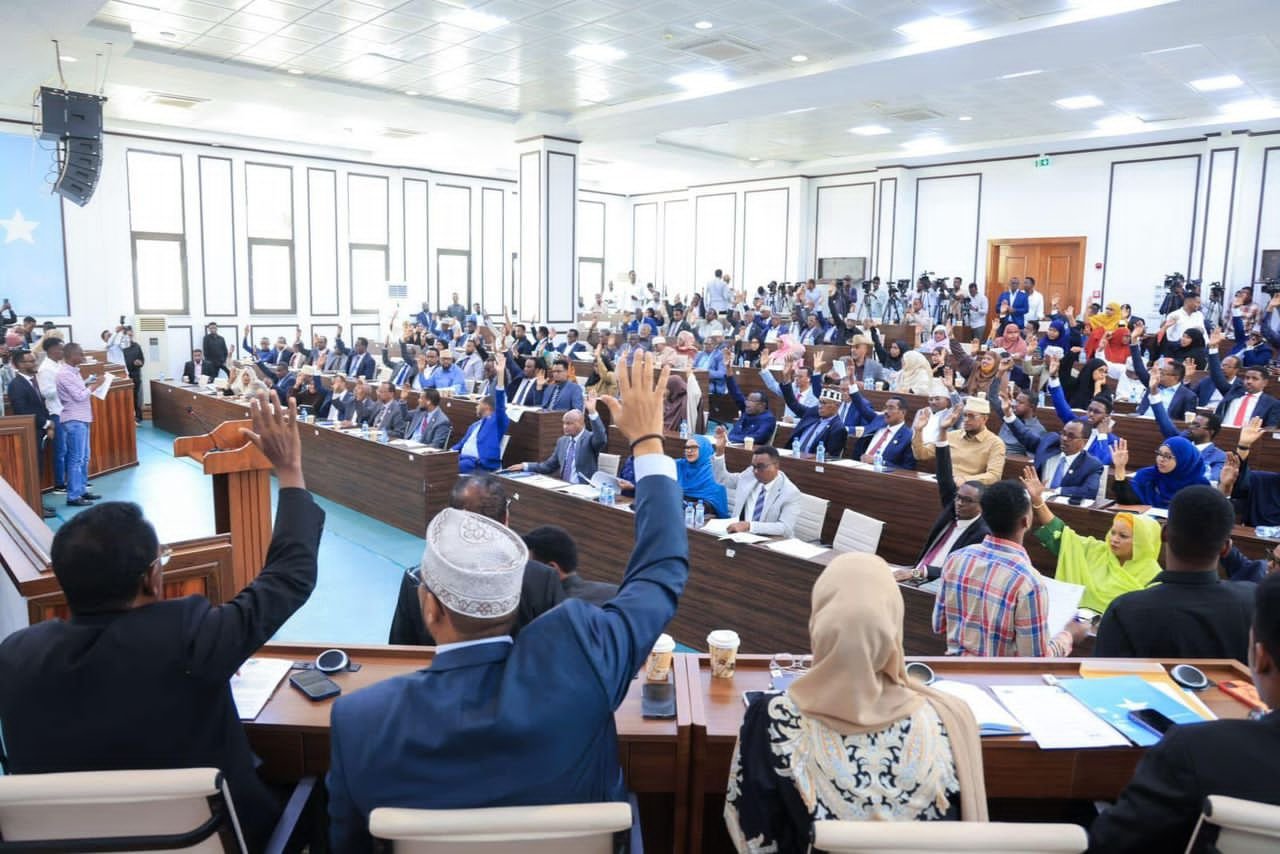
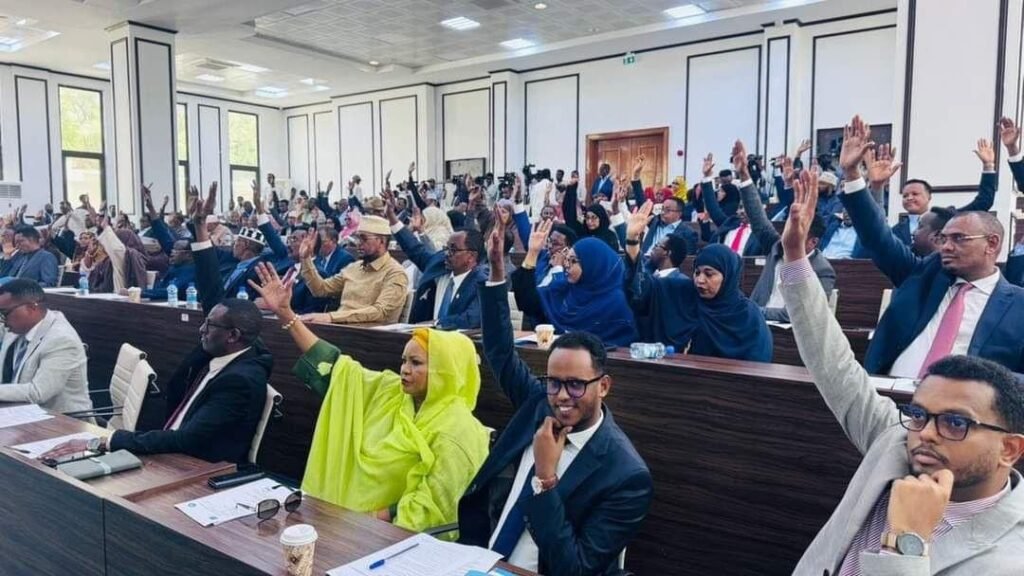
Mogadishu, Somalia – November 16, 2024 :- In a historic move, both houses of the Somali Parliament today unanimously passed the National Electoral and Boundaries Commission Establishment Act during a joint session chaired by Speaker of the House of Representatives, Sheikh Adan Madoobe. A total of 173 Members of Parliament (MPs) from both the Upper and Lower Houses voted in favor of the bill, which aims to formalize the creation of the commission tasked with overseeing electoral processes and establishing electoral boundaries in Somalia.
The bill, which was tabled for discussion at Villa Hargeisa, marks a significant step in Somalia’s state-building process and the path towards broader democratic reforms. The proposed establishment of the commission is seen as a key milestone in the country’s transition toward direct elections, including the realization of one-person, one-vote (1P1V) elections, which has been a longstanding goal of Somali leaders and citizens alike.
The process leading up to today’s vote was a complex one, starting with the bill’s proposal in August 2024. The Somali Cabinet approved the draft law during a cabinet meeting, emphasizing its urgent importance in advancing the country’s electoral system and strengthening democratic institutions. The bill was then sent to Parliament with the request for it to be prioritized as part of the broader state-building agenda.
Before the bill was presented for a vote, a special joint parliamentary committee was appointed by Speaker Madoobe to review the final version of the draft law. The committee, made up of members from both the Upper and Lower Houses, worked diligently for two weeks to finalize the bill before bringing it to the full Parliament for debate and approval.
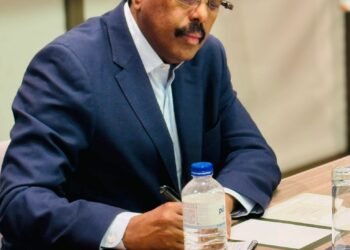
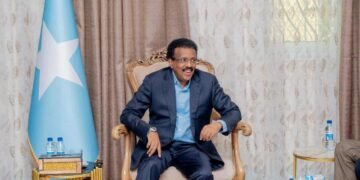
However, the passage of the bill was not without controversy. Several opposition figures, including former President Sharif Ahmed and MP Abdirahman Abdishakur, criticized the parliamentary leadership’s approach to the process. They argued that the session lacked a proper quorum, and questioned the legality of the vote. These concerns were raised amid ongoing debates about the speed at which the electoral reforms are being pushed through Parliament, with some alleging procedural irregularities in the way the bill was handled.
Despite the opposition’s objections, the bill passed with strong backing from the majority of lawmakers, signaling broad support for the establishment of the Electoral and Boundaries Commission. The passage comes at a crucial time, as discussions within the National Consultative Council (NCC) have recently centered on fast-tracking electoral reforms and endorsing a shift toward direct elections.
The establishment of the National Electoral and Boundaries Commission is seen as a critical step towards ensuring free, fair, and transparent elections in Somalia. It also signals the government’s commitment to fulfilling its promise of one-person, one-vote elections, a reform that is expected to play a major role in the country’s democratic transition.
With the bill now passed, attention will turn to the formation of the commission itself and its mandate to oversee electoral boundaries, voter registration, and the overall management of future elections. The establishment of the commission is expected to play a central role in facilitating the country’s move toward a fully representative, democratic system.